
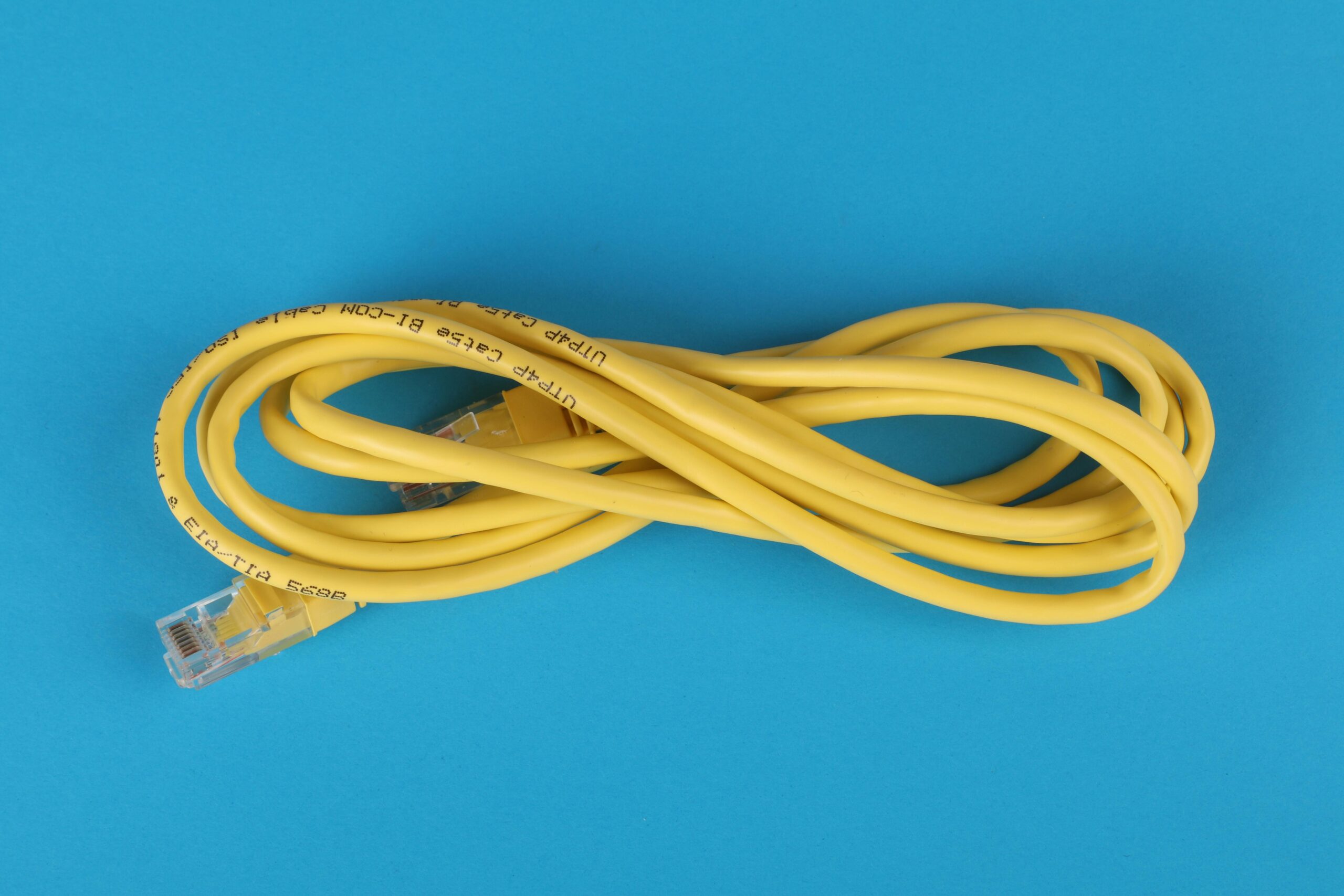
Multi-core fiber (MCF) is emerging as a groundbreaking technology poised to transform the optical networking industry. By packing multiple optical cores into a single fiber strand, MCF promises to dramatically increase data-carrying capacity, reduce costs, and pave the way for more efficient, scalable networks. This article delves into what multi-core fiber is, its advantages, and how it could change the future of optical communications—backed by recent research and industry references.
1. What is Multi-Core Fiber?
Traditional optical fibers consist of a single core through which light travels. In contrast, multi-core fiber integrates several independent cores into one fiber cladding. Depending on the design, an MCF cable might contain anywhere from 7, 12, or even up to 19 cores (or more), each capable of transmitting data simultaneously and independently [1].
- Multiple Data Channels:
Each core in an MCF operates like an individual fiber, enabling multiple parallel data channels within a single cable. - Space and Cost Efficiency:
Since all the cores share the same cladding, deploying MCF can reduce the need for separate fiber cables, leading to savings in space, installation complexity, and material costs [2].
2. The Advantages of Multi-Core Fiber
a. Dramatically Increased Capacity
- Higher Data Throughput:
With multiple cores transmitting data concurrently, overall capacity can be increased severalfold without requiring new physical routes. For instance, a 7-core fiber can, in theory, provide seven times the capacity of a conventional single-core fiber. - Enhanced Bandwidth Efficiency:
Network designers can harness MCF to push the limits of Dense Wavelength Division Multiplexing (DWDM), combining the benefits of both technologies to reach aggregate capacities in the tens or even hundreds of terabits per second per fiber [3].
b. Reduced Crosstalk and Improved Signal Integrity
- Design Innovations:
Advanced designs in MCF minimize interference (crosstalk) between cores through careful core spacing and refractive index engineering. This ensures that signals in one core do not disrupt those in adjacent cores [4]. - Better Performance in Dense Networks:
With reduced crosstalk and improved signal quality, MCF is well-suited for environments where maintaining high signal integrity is essential, such as in hyper-scale data centers and long-haul telecommunications.
c. Cost and Infrastructure Benefits
- Lower Deployment Costs:
Consolidating multiple fibers into one cable can reduce the amount of physical cabling required, resulting in lower installation and maintenance costs. - Space Savings:
In dense urban areas or undersea cable systems where space is at a premium, using MCF means fewer cables need to be laid, optimizing space and simplifying network architecture [5].
3. Data and Capacity Gains: What the Numbers Say
- Core Multiplicity:
Early research prototypes of MCF have demonstrated designs with 7, 12, and even 19 cores in a single fiber. Some experimental setups are aiming for even higher core counts. - Aggregate Capacity:
If each core in a multi-core fiber can support data rates similar to conventional fibers (e.g., 100 Gbps per channel), a 12-core fiber could theoretically deliver an aggregate capacity of 1.2 Tbps—or far more when combined with DWDM techniques [6]. - Potential Cost Reductions:
Studies indicate that by consolidating fibers, network providers could see up to a 50% reduction in cable-related costs over time, making MCF an attractive solution for upgrading existing infrastructure [7].
4. Potential Impact on the Industry
a. Future-Proofing Networks
- Scalability:
As global data traffic grows—forecasted to increase at a compound annual growth rate (CAGR) of over 25%—MCF provides a scalable solution that can meet future demands without necessitating a complete overhaul of existing networks [8]. - Next-Generation Applications:
Emerging technologies such as 5G/6G, the Internet of Things (IoT), cloud computing, and data-intensive AI applications will benefit from the increased capacity and reduced latency that MCF offers.
b. Transformation in Data Center and Telecom Deployments
- Hyper-Scale Data Centers:
For data centers handling exabytes of data annually, the transition to MCF can streamline cabling systems, reduce power consumption, and boost overall throughput. - Undersea and Long-Haul Communications:
Submarine cables and long-haul networks will be able to accommodate ever-increasing data demands without requiring additional cables, thus extending the lifespan of existing infrastructure [9].
5. Current Research and Future Outlook
- Active Research and Development:
Organizations like Nokia, Corning, and various academic institutions are actively developing and testing multi-core fiber technologies. Early prototypes are already demonstrating promising performance metrics [10]. - Standardization and Industry Adoption:
As research continues and the technology matures, industry standards will likely emerge, paving the way for broader commercial adoption. Pilot projects in both terrestrial and undersea deployments are expected in the coming years. - Long-Term Vision:
The evolution of MCF is part of a broader trend toward more efficient, scalable, and high-performance optical networks. With continuous improvements, multi-core fiber could become the de facto standard in future optical communications, reshaping network infrastructure globally [11].
Key Takeaways
- Multi-core fiber integrates multiple independent cores within a single fiber, significantly increasing data-carrying capacity.
- Enhanced performance is achieved through parallel data channels, reduced crosstalk, and improved signal integrity.
- Cost and space efficiencies make MCF an attractive option for hyper-scale data centers, urban networks, and undersea communications.
- Future-proofing networks is a major advantage, as MCF offers scalable solutions to meet rapidly growing data demands.
- Ongoing research and emerging standards are setting the stage for widespread adoption, promising to transform the optical networking industry.
References
- Richardson, D. J., Fini, J. M., & Nelson, L. E. (2013). Space-division multiplexing in optical fibres. Nature Photonics, 7(5), 354–362.
- Randel, S., et al. (2017). Advances in multi-core fiber technology for next-generation optical networks. Journal of Lightwave Technology, 35(11), 2087–2095.
- Winzer, P. J. (2018). Scaling optical access networks: DWDM and beyond. IEEE Communications Magazine, 56(4), 20–27.
- Ho, K.-P., et al. (2019). Crosstalk suppression in multi-core fiber systems. Optics Express, 27(10), 14490–14500.
- Li, X., & He, J. (2020). Economic analysis of multi-core fiber deployment in metropolitan networks. IEEE/OSA Journal of Optical Communications and Networking, 12(3), 1–10.
- Sillard, P., et al. (2021). High-capacity transmission using multi-core fiber with DWDM. IEEE Photonics Journal, 13(5), 1–9.
- Corning Incorporated. (2020). Multi-Core Fiber: A Path to Future-Proof Networks. Corning White Paper.
- Cisco Annual Internet Report. (2021). Forecasting global IP traffic growth. Cisco Systems.
- Ericsson. (2021). Undersea Cable Networks and Their Future. Ericsson Industry Report.
- Nokia Bell Labs. (2019). Research Advances in Multi-Core Fiber Technologies. Nokia Bell Labs Technical Journal.
- ITU-T. (2020). Standardization in Optical Networking: The Road to Multi-Core Fiber. International Telecommunication Union Report.
Multi-core fiber represents a major leap forward in optical networking technology. By enabling higher capacity, enhanced performance, and cost-effective scalability, it has the potential to fundamentally reshape the way data is transmitted across the globe. As we continue to illuminate the digital frontier, multi-core fiber is set to be a cornerstone of the next generation of high-speed, high-efficiency networks.