Imagine a Magical Straw
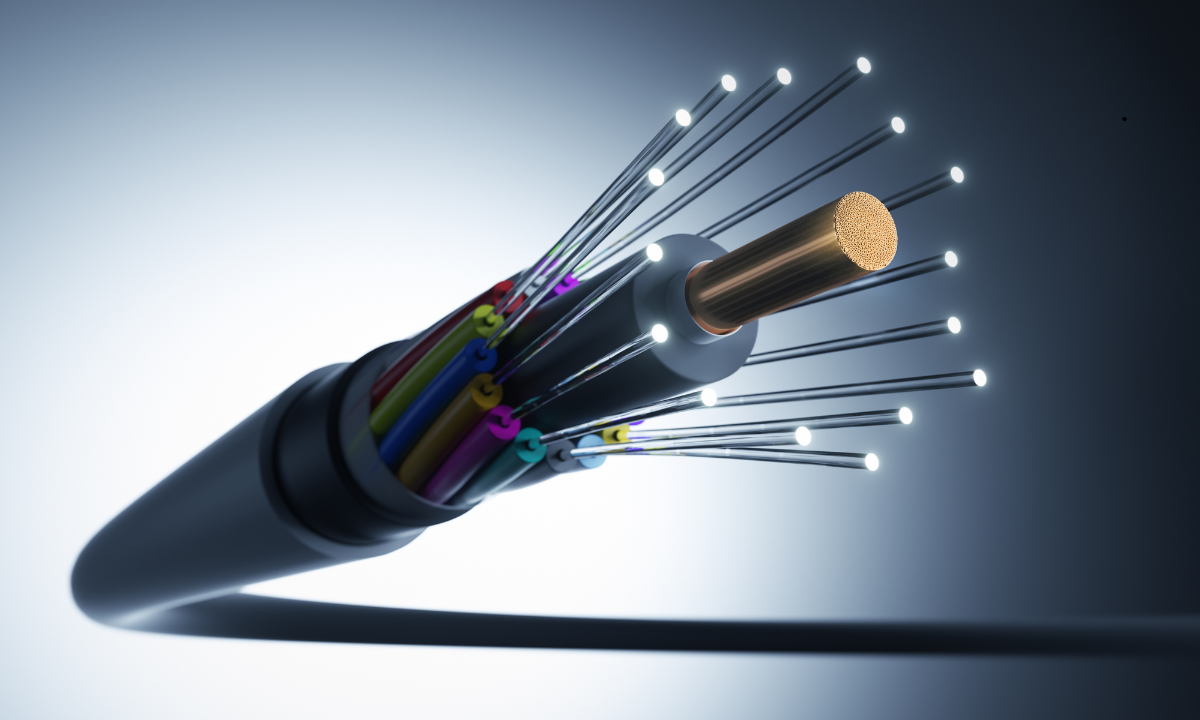
Picture a tiny, flexible straw made of glass so pure it’s almost invisible. Now imagine it carrying light—yes, light!—that zips along at incredible speeds, delivering movies, video calls, and cat memes to your phone or computer. That’s optical fiber in a nutshell. It’s the secret sauce powering the internet, and it’s way cooler (and simpler) than it sounds. Let’s break it down!
What Is Optical Fiber?
Optical fiber is a super-thin strand of glass or plastic that uses light to send information. Unlike the old-school copper wires that carried electricity (and got tired over long distances), fiber uses pulses of light to move data lightning-fast. Think of it like a high-tech flashlight game: one end flashes a message, and the other end catches it perfectly, no matter how far apart they are.
Why Is It Awesome?
- Speedy Gonzales
Fiber can carry tons of data—like, millions of Netflix episodes at once. It’s so fast that a single fiber cable can handle speeds of 400 gigabits per second (that’s 400 billion bits!). For comparison, copper wires are like a rusty bike, while fiber’s a rocket ship. - No Slowdowns
Ever notice how Wi-Fi gets choppy when you’re far from the router? Fiber doesn’t care about distance. It can send data miles and miles without losing steam, making it perfect for connecting cities or giant data centers. - Tough as Nails
Fiber doesn’t rust, doesn’t mind storms, and doesn’t get scrambled by nearby power lines. Once it’s in the ground, it can work happily for 20 or 30 years with barely a hiccup. - Ready for Tomorrow
The internet keeps getting hungrier—think self-driving cars, virtual reality, or smart fridges. Fiber’s got room to grow. Swap out some gear at the ends, and it can handle whatever crazy tech comes next.
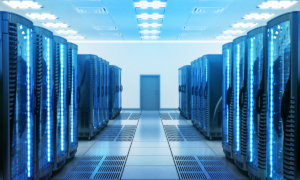
Where Does It Shine? Data Centers!
Data centers are like the internet’s warehouses, storing and sending all the stuff we use online. They’re packed with computers that need to talk to each other—and to us—super-fast. Optical fiber is their best friend because:
- It moves mountains of data without breaking a sweat.
- It keeps things snappy, so your video call doesn’t lag.
- It lasts forever (well, almost), saving money in the long run.
Big companies know this. If a data center has fiber, it’s like a shiny new highway—everyone wants to use it!
How Does It Work? (The Fun Part)
Inside that tiny glass straw, light bounces along like a pinball, staying trapped by the walls. Each bounce carries a bit of info—on, off, on, off—like a Morse code of light. Special machines at each end turn those flashes into the emails, games, or music you love. It’s simple but feels like magic!
Any Downsides?
Okay, it’s not all sunshine. Laying fiber can be pricey—digging trenches and setting it up costs more than sticking with old copper wires. But here’s the thing: once it’s done, it pays off big time. It’s like buying a fancy car that never needs gas—spend a little now, save a lot later.
Why Should You Care?
Even if you’re not a tech wizard, optical fiber matters to you. It’s why your TikToks load instantly, why businesses can run smoothly across the globe, and why the internet can keep up with our wild digital lives. Next time you stream a movie, give a little nod to those tiny glass heroes underground—they’re the real MVPs.
The Bottom Line
Optical fiber is the internet’s superhighway, built to handle today’s chaos and tomorrow’s dreams. It’s fast, tough, and ready for anything. So whether you’re binge-watching shows or a data center is keeping the world connected, fiber’s got it covered. Pretty cool for a little strand of glass, right?